528Hz and the body: a layperson's guide
Why this frequency keeps showing up in our work.
If you've spent any time around sound healing — or our programs — you've probably heard someone mention 528 Hz. It shows up on playlists labeled 'love frequency,' on YouTube tracks promising DNA repair, and in the marketing copy of every crystal bowl on Etsy. Most of these claims overshoot what the science actually supports. But 528 Hz still matters, and it still shows up in our work for reasons worth explaining plainly.
What 528 Hz actually is
528 Hz is a frequency. That's it. It's a pitch — roughly a C5 in modern tuning, slightly sharper than the C you'd hear on a standard piano (which is tuned to A=440 Hz; 528 Hz corresponds to A=444 Hz tuning). It is one of the six tones in the Solfeggio scale, an ancient set of frequencies attributed to medieval Gregorian chant and revived in the 1970s by Dr. Joseph Puleo.
What it does in the body
Sustained low-to-mid frequency tones — and 528 Hz sits squarely in that range — have well-documented effects on the autonomic nervous system. They slow respiration. They lower heart rate. They reduce cortisol. This is true of 528 Hz, but it's also true of 432 Hz, 639 Hz, and any other sustained tone played at moderate volume for ten or more minutes. The frequency isn't magic. The sustained, predictable, low-frequency input is what the nervous system responds to.
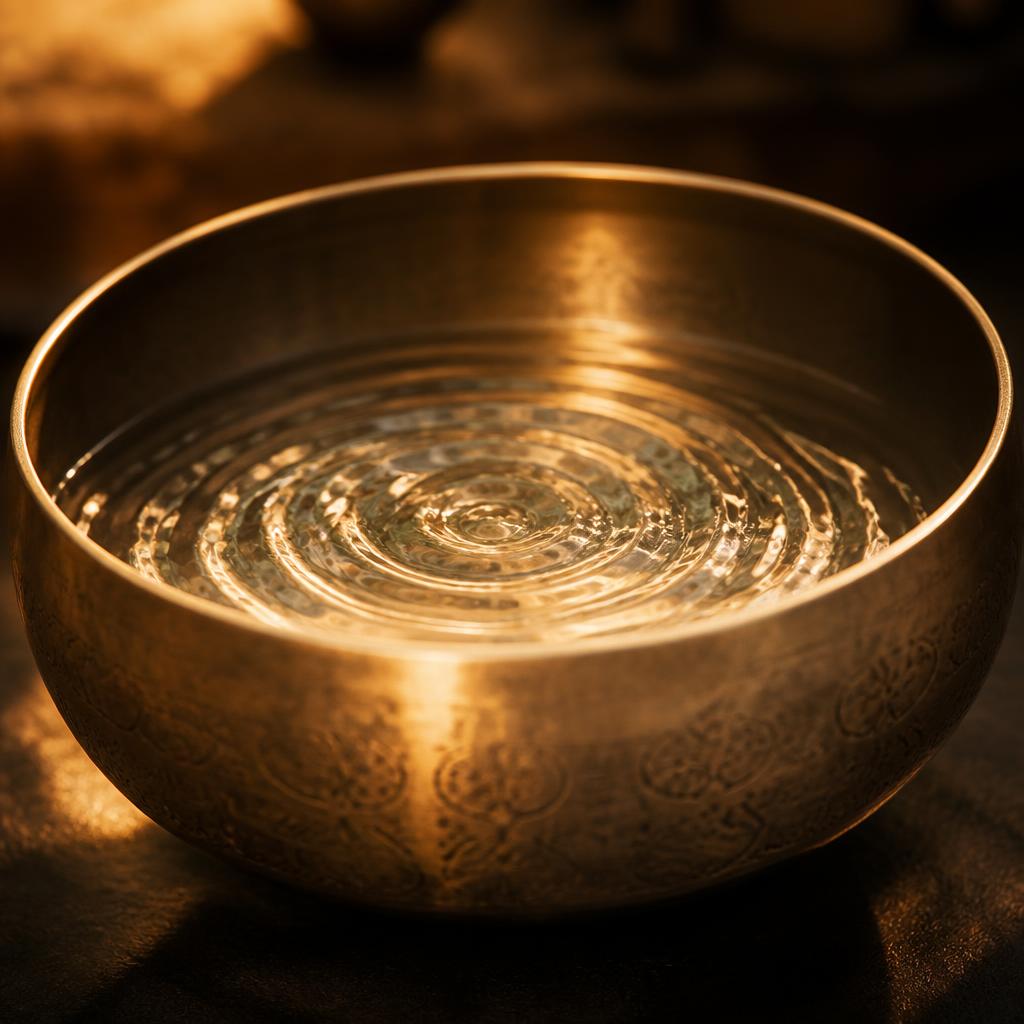
What's different about 528 Hz, in our experience, is subjective: people consistently describe it as 'warm,' 'open,' or 'in the chest.' We don't think this is coincidence. The frequency sits in a range that resonates well with the human chest cavity, which is why singing bowls tuned to 528 Hz tend to feel like they're being played inside your body rather than across the room from it.
What the research actually says
A small but growing body of peer-reviewed research has examined Solfeggio frequencies, including 528 Hz. Studies have found measurable reductions in anxiety markers, modest improvements in mood, and changes in autonomic indicators (heart rate variability, skin conductance) after exposure to 528 Hz tones. These are real findings. They are also small studies, and the effect sizes are modest.
What the research does not support: claims that 528 Hz repairs DNA, cures disease, or has unique vibrational properties absent from other frequencies. Be cautious of anyone selling those claims.
How we use it in our programs
We use 528 Hz primarily as a settling tone — the frequency we play at the beginning of a session, while people are arriving and finding their seats. It does the quiet work of inviting the nervous system to downshift before we ask anyone to close their eyes, lie down, or do anything that requires vulnerability.
If you want to try it yourself, our home practice player on the homepage includes a 528 Hz track. Play it at low volume in the background while you're reading, cooking, or going to sleep. Notice what your body does. That's the only research that ultimately matters to you.
Keep reading
All articles →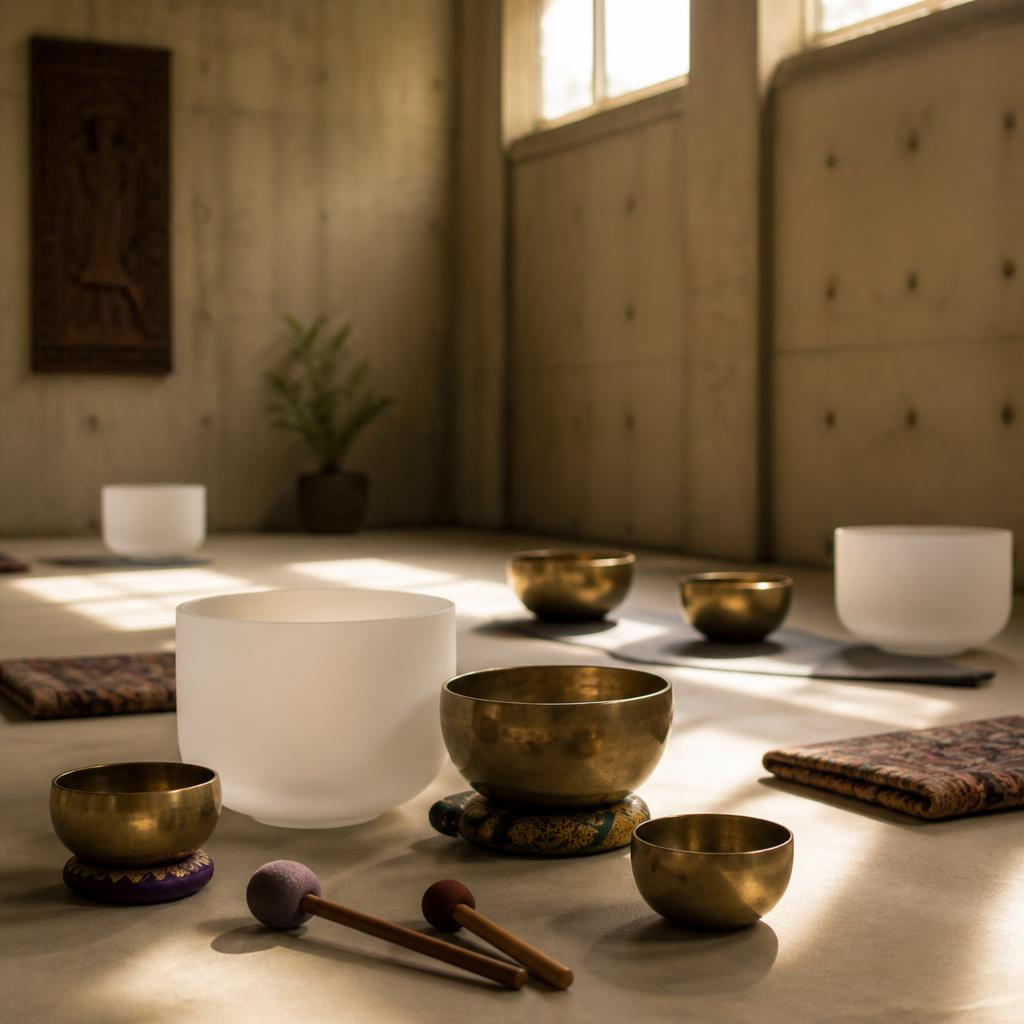
What we learn when we bring sound into a place built for noise.
Three years into our facility programs, here's what we've witnessed about resonance, regulation, and what calm actually does to a room.
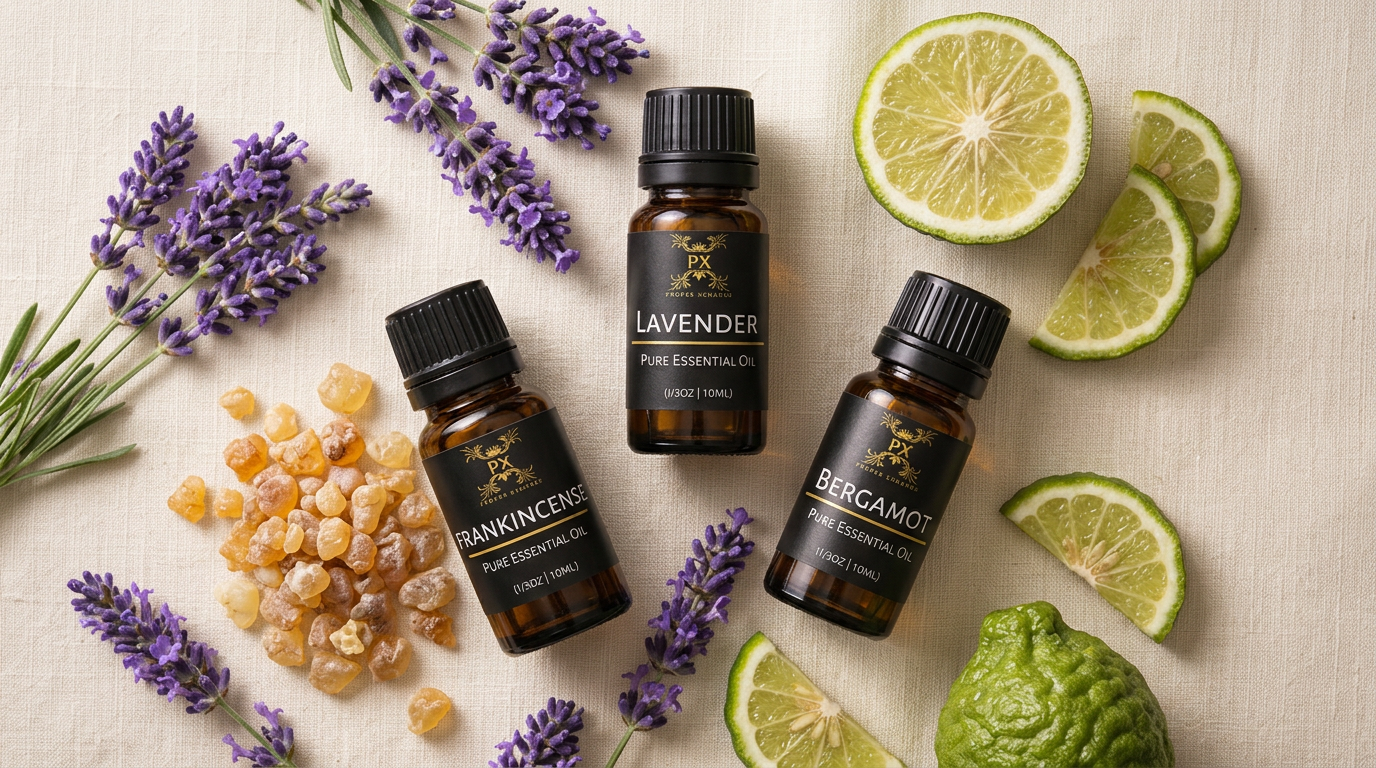
The three essential oils we never travel without
Lavender is a start. Here's what comes next.

Breath practices that work inside a cell
Adapted breathwork for tight, loud, fluorescent environments.